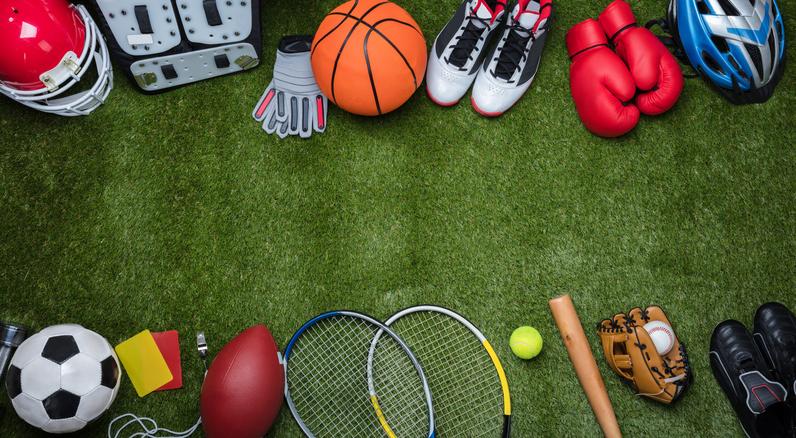
The topic “10 Benefits of Playing Sports as a Child” taps into a hugely popular search area for parents, educators, and health-conscious readers worried about kids’ physical activity, mental health, and future success. Kids today spend way too much time glued to screens, and organized sports offer a fun counterbalance that delivers lasting payoffs.
I’ve seen it firsthand with my own niece. She started soccer at age 7, mostly because her friends were doing it, and what began as weekend games turned into a habit that shaped her confidence, friendships, and even her study habits. She’s now a teen who handles stress better than most adults I know. Stories like hers aren’t rare—research from places like the President’s Council on Sports, Fitness & Nutrition backs up how youth sports build healthier bodies and minds.
Here are 10 key benefits of kids playing sports, drawn from studies and real-world observations. These go beyond the basics to show why getting them on a field, court, or track early makes such a difference.
1. Builds Stronger Physical Health and Fights Obesity
Regular sports participation gets kids moving in ways that build cardiovascular fitness, muscle strength, and bone density right when their bodies need it most. The CDC notes that active children have better heart and lung health, stronger muscles, and lower risks of type 2 diabetes and obesity.
Think about it: a kid running around a soccer pitch for an hour burns calories, improves coordination, and strengthens bones to help prevent issues like osteoporosis later. Studies show youth sports lower body fat percentages, especially in girls, and set up lifelong habits—adolescents who play are eight times more likely to stay active into their 20s.
2. Boosts Mental Health and Reduces Anxiety & Depression
In a world where kids face mounting pressure from school and social media, sports act like a natural stress reliever. Exercise during play releases endorphins while cutting cortisol levels, leading to lower anxiety, fewer depressive symptoms, and better emotional regulation.
Parents often report their children seem happier and more resilient after practices. A PLOS ONE study found team sports participants had 10-20% lower scores in areas like anxiety, withdrawal, and attention problems. It’s not just short-term—those effects can carry into adulthood, helping kids cope with life’s curveballs.
3. Develops Higher Self-Esteem and Confidence
Nothing beats the feeling of nailing a skill after weeks of trying. Sports give kids tangible proof of progress—scoring a goal, mastering a serve, or just finishing a tough practice—which builds a sense of competence that spills over into school and friendships.
I remember watching a shy 9-year-old on my nephew’s basketball team transform over a season. He went from avoiding eye contact to high-fiving teammates after assists. Research consistently links youth sports to higher self-esteem, greater self-confidence, and a stronger belief in personal abilities.
4. Teaches Teamwork and Social Skills
Team sports force kids to communicate, share, and support each other—skills that translate directly to real life. They learn to celebrate wins together, lift up teammates after losses, and resolve conflicts on the spot.
These interactions build empathy, negotiation, and social responsibility. Parents in surveys say 80% believe sports taught their kids how to get along with others. It’s a safe space to practice friendship-building without the stakes of everyday drama.
5. Improves Academic Performance and Cognitive Skills
Contrary to the “jocks vs. nerds” stereotype, physically active kids often do better in class. Sports enhance focus, memory, and executive function through better blood flow to the brain and practiced discipline.
Studies tracking kids from kindergarten show improved cognitive skills and higher grades among those in sports. High school athletes are more likely to attend and graduate college, thanks to traits like time management and perseverance honed on the field.
6. Instills Discipline, Resilience, and Goal-Setting
Sports demand showing up on time, practicing consistently, and pushing through fatigue or setbacks. Kids learn that effort leads to results, building grit and a strong work ethic.
Bouncing back from a bad game teaches resilience—something invaluable when facing exams or future job rejections. Many adults credit early sports for their ability to handle failure gracefully.
7. Enhances Leadership and Responsibility
Captains, point guards, or even just encouraging a teammate—sports create natural leadership opportunities. Kids take ownership of their role, motivate others, and make quick decisions under pressure.
These experiences foster personal responsibility and self-control. Over time, they develop into stronger leaders who understand accountability.
8. Promotes Lifelong Physical Activity Habits
Kids who play sports young are far more likely to stay active as adults. The habit forms early, making exercise feel normal rather than a chore.
73% of adults who play sports now participated as children. This leads to ongoing mental health perks, reduced stress, and lower healthcare costs down the line.
9. Reduces Risky Behaviors and Improves Overall Well-Being
Youth sports correlate with lower substance abuse, fewer risky choices, and even reduced suicide risk. The structure, positive peer groups, and sense of belonging provide protective factors.
Kids feel connected and purposeful, which buffers against negative influences. It’s one reason experts push for accessible sports programs in all communities.
10. Fosters Fun, Creativity, and Joy in Movement
At its core, sports should be enjoyable. The play aspect sparks creativity—improvising plays, celebrating silly moments—and builds a love for physical activity that lasts.
When kids associate movement with fun rather than obligation, they’re more likely to explore other activities later. That joy is perhaps the greatest gift.
Pros and Cons of Youth Sports Participation
| Aspect | Pros | Cons |
|---|---|---|
| Physical Health | Stronger body, lower obesity risk | Risk of overuse injuries if overdone |
| Mental Health | Reduced anxiety, higher self-esteem | Potential burnout from pressure |
| Social Development | Better teamwork, lasting friendships | Cliques or exclusion in some teams |
| Academic Impact | Improved focus and grades | Time demands can conflict with homework |
| Long-Term Habits | Lifelong activity and resilience | Early specialization may limit variety |
Balancing structured play with rest and variety helps maximize the good while minimizing downsides.
People Also Ask (PAA) Section
What age should a child start playing sports?
Most experts suggest starting around 6-8 for organized teams, focusing on fun and skill-building rather than competition. Sampling multiple sports until early teens prevents burnout.
Are team sports better than individual ones for kids?
Team sports excel at building social skills and teamwork, while individual ones like swimming or tennis boost personal discipline and self-reliance. A mix is ideal.
How much sports is too much for a child?
The AAP advises against year-round specialization before late adolescence. Aim for no more hours per week than their age in years, with at least one- two days off.
Do sports help with ADHD in children?
Yes—physical activity improves focus and executive function. Many parents see better attention and behavior in kids with ADHD who play regularly.
What if my child isn’t athletic—should they still play?
Absolutely. Recreational leagues emphasize participation over skill. The benefits come from effort and enjoyment, not natural talent.
FAQ
Why is playing sports important for child development?
Sports support holistic growth: physical fitness, mental resilience, social bonds, and life skills like discipline. They combat sedentary lifestyles and build habits for healthier adulthoods.
How do sports affect a child’s brain?
They enhance cognitive performance, memory, and emotional control. Team play practices executive functions in real time, leading to better problem-solving.
Can playing sports prevent mental health issues later in life?
Evidence suggests yes—lower depression and anxiety rates persist into adulthood for those who played young. It builds coping tools and positive routines.
What sports are best for young children?
Fun, low-pressure ones like soccer, basketball, swimming, or gymnastics work well. Variety helps develop broad motor skills.
How can parents encourage sports without pushing too hard?
Focus on enjoyment, attend games supportively, and let kids choose activities. Praise effort over wins to keep it positive.
Playing sports as a child isn’t just about trophies—it’s about giving kids tools to thrive physically, emotionally, and socially. Whether your little one ends up loving it or just trying it out, the investment pays off in ways that last far beyond the final whistle. If you’re on the fence, sign them up for a season. You might be surprised at the transformation.